
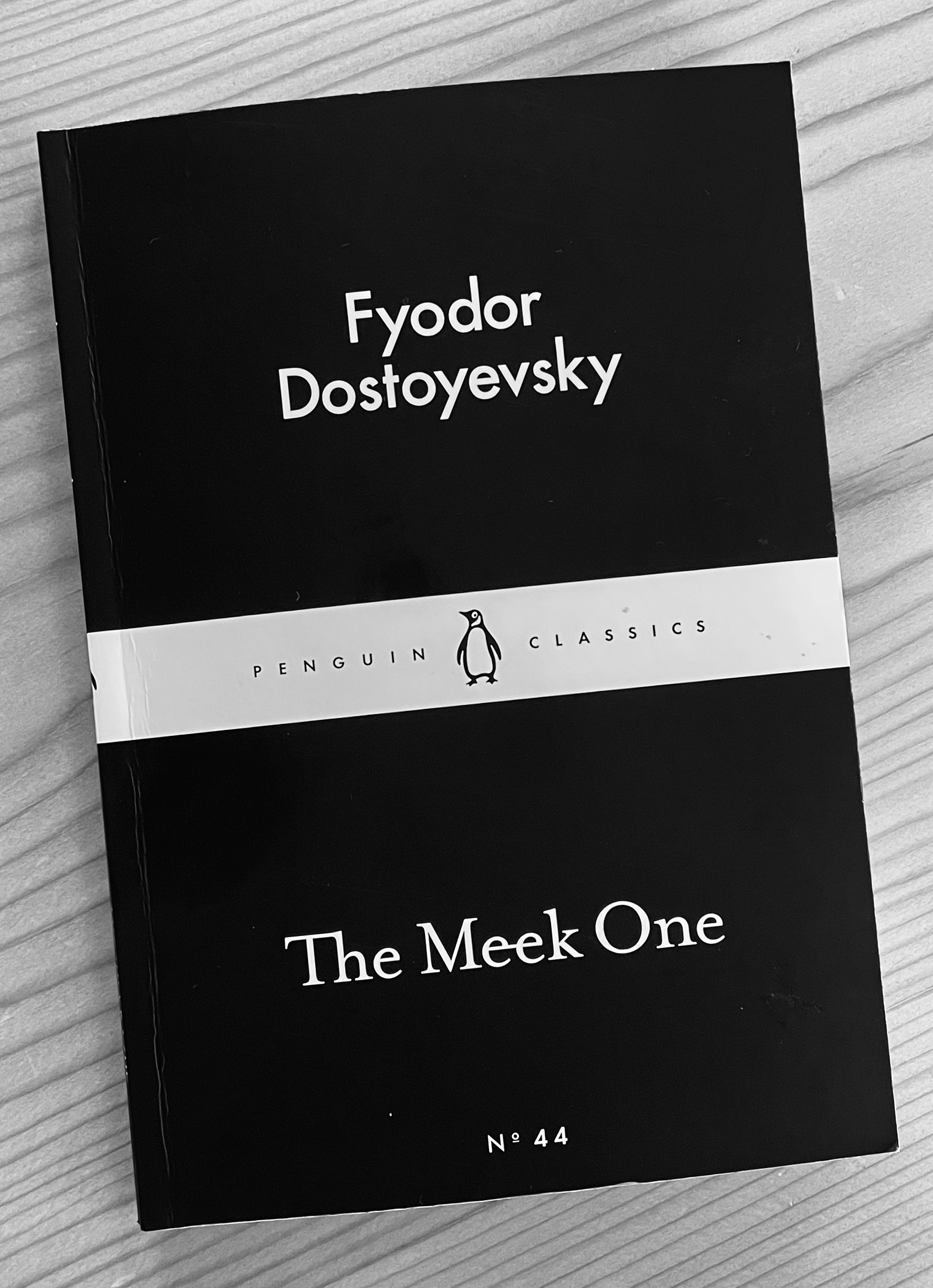
Review: The Meek One – Dostoyevsky’s Devastating Portrait of Guilt
In 1876, Fyodor Dostoyevsky produced one of his most psychologically harrowing works: “The Meek One” (Кроткая), alternatively translated as A Gentle Creature. Though overshadowed by monumental novels like Crime and Punishment, this novella stands as concentrated genius—a claustrophobic monologue dismantling the human psyche under pressure of irreversible loss.
Written as stream-of-consciousness confession, the piece unfolds over mere hours following the suicide of the narrator’s young wife. An unnamed pawnbroker, pacing alone while her body lies waiting removal, attempts frantically to reconstruct how their marriage collapsed into tragedy. The subtitle—”A Fantastic Story”—suggests psychological extremity rather than supernatural embellishment, marking territory where rational explanation fails and emotional truth reigns supreme.
This structural choice proves essential. We receive nothing but the narrator’s version of events—an unreliable voice increasingly desperate to justify itself even as evidence mounts against him. His memories contradict, his logic spirals, his proclamations of love curdle into accusations. By denying readers any objective vantage point, Dostoyevsky forces us to inhabit the same suffocating isolation gripping our protagonist.
The work explores interconnected themes: guilt that refuses acceptance, emotional alienation reducing marriage to transactional coexistence, masculine pride preventing acknowledgment of error until irrevocably too late, and despair born from crushing social conditions combined with personal failure.
Furthermore, Dostoyevsky anticipates developments in psychoanalytic theory regarding repression and projection. Our narrator deflects blame onto external factors rather than confronting actions leading inexorably downward. Readers witness exactly how denial operates until complete breakdown ensues.
For anyone willing grappling with darkness without lanterns lighting path forward, seek this text diligently. Prepare to brace impact lingering long after final page turned.
“He insists he loved her. He reads her as submissive because it suits him. But the longer he speaks, the more that label starts to fall apart.”
Leave a Reply